Cookware Buying Guide
18/10 vs. 18/8 vs. 18/0 Stainless Steel Cookware: What Do the Numbers Mean?
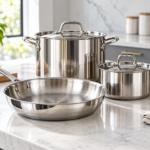
If you have ever looked at the bottom of a stainless steel pan and wondered what numbers like 18/10, 18/8, or 18/0 mean, you are not alone.
They are not sizes or quality scores. The numbers refer to the approximate amounts of chromium and nickel used in the stainless steel.
Those ingredients affect characteristics such as corrosion resistance, appearance, and magnetism. But the numbers are only part of the story when choosing cookware.
Best Induction Cookware for Even Heat (2026)
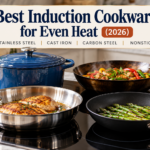
The best induction cookware starts with a flat, magnetic base that matches the size of your cooktop’s cooking zone. Construction matters too: a well-made pan with a substantial base can help spread heat more evenly and respond predictably to changes in power.
There is no single cookware material that is best for every job. Fully clad stainless steel is a strong all-purpose choice, enameled cast iron excels at heat retention, carbon steel works well for high-heat cooking, and induction-compatible nonstick can be useful for delicate foods.
Before You Buy That Stainless Steel Pan: What 18/10, 18/8 and 18/0 Really Mean
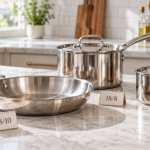
You’re comparing two shiny stainless-steel pans.
One says 18/10 stainless steel.
Another says 18/8.
Then you find a third marked 18/0.
So naturally, 18/10 must be the best one, right?
Not necessarily.
And here’s the first surprise: those numbers do not tell you how thick, heavy or heavy-duty the pan is.
They describe the approximate makeup of the stainless-steel alloy—specifically its chromium and nickel content. British Stainless Steel Association
Once you understand that, stainless-steel labels start making a lot more sense.