Wood Cutting Boards
How to Care for Cutting Boards: Wood, Plastic, Stainless Steel & Titanium
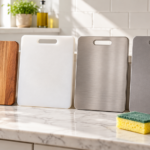
A cutting board may seem like one of the simplest tools in your kitchen, but different materials need different kinds of care.
The cleaning routine that works perfectly well for a plastic board may shorten the life of a wooden one. Stainless steel and titanium are generally easy-care surfaces, but they still benefit from proper washing and drying.
The good news? None of this has to be complicated.
Here’s how to care for some of the most common cutting board materials—and a few things you’ll want to avoid.
How to Care for Wood, Stainless Steel, and Titanium Cutting Boards
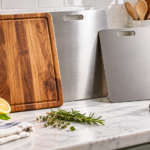
Choosing a cutting board is only half the story.
Once you find a board that fits the way you cook, the next question is pretty simple:
How do I take care of this thing?
Wood, stainless steel, and titanium cutting boards can all give you a useful prep surface, but they don’t necessarily want to be cleaned and maintained the same way.
The good news? Cutting-board care doesn’t have to become another kitchen project.
Here’s what to know.
Wood vs. Stainless Steel vs. Titanium Cutting Boards: Which Fits Your Kitchen?
Affiliate disclosure: CookwareTalk may earn a commission if you purchase through some links in this article, at no additional cost to you. Recommendations and tradeoffs are based on product fit and available evidence, not on which offer pays a commission.
Three cutting boards can all be washable, durable, and useful—and still feel completely different in your kitchen.
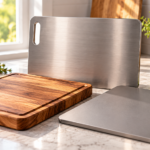
Wood gives you a softer, classic cutting surface. Stainless steel gives you a hard, nonporous work surface with very little routine care. Titanium aims for a similar low-maintenance metal experience with less weight than many steel boards.
So which one is “best”?
That depends on what you care about enough to notice every single day.